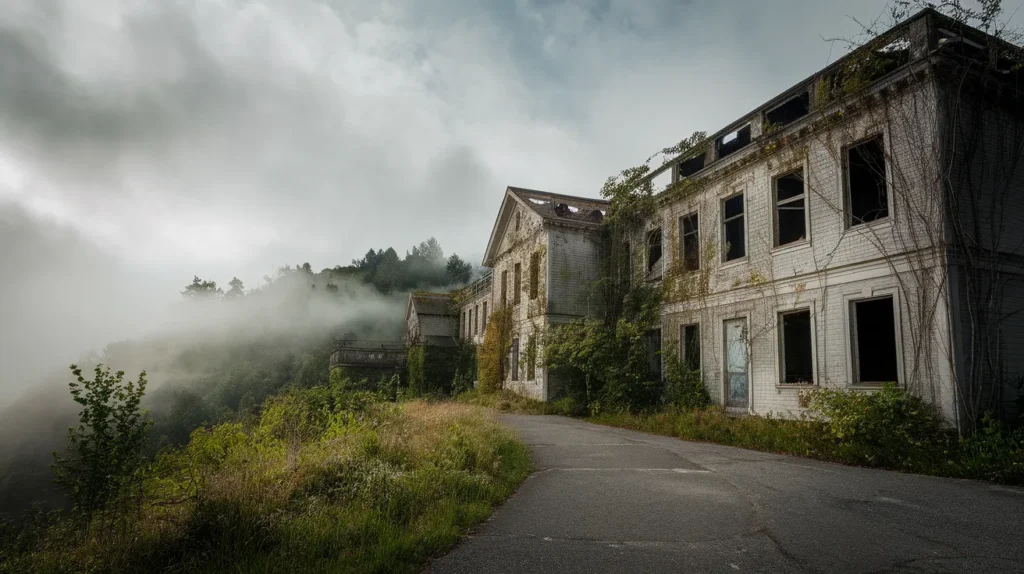
Why Hill Stations Don’t Tell You About Their HauntingsTravelers climb winding roads expecting fresh air and mountain views. They find those things at haunted hillstations. But they also find something else. The ghosts often outlast the tourists.Why Haunted Hillstations Share a Common Colonial PastColonial powers built mountain retreats to escape tropical heat. These places kept Gothic architecture, English street names, and restless spirits. Scholars link ghost stories to places with traumatic histories. Hill stations fit this pattern because of their colonial roots. The British and French created entire towns on remote peaks. They built grand hotels, railway tunnels, and churches. Workers died during construction. Officers committed suicide after scandal. Women vanished under mysterious circumstances.Many buildings in Shimla were constructed during the British summer capital era. These structures have tragic pasts involving suicides, betrayals, and forgotten deaths. The same pattern repeats across Asia. Bokor Hill Station in Cambodia was built by French colonials seeking mountain relief. It was abandoned during WWII, occupied by the Khmer Rouge in the 1970s. Each abandonment left new layers of trauma.Shimla’s colonial ghosts include a headless horseman riding at night. An Englishman waits beneath different lampposts. Parading soldiers appear in broad daylight. These aren’t random spirits. They wear uniforms from specific regiments. They speak with documented British accents.Death Road and the Headless Boy of Dow HillDow Hill in Kurseong has exceptionally high paranormal activity. It earned the title of India’s most haunted hill station. One road connects Dow Hill to the Forest Office. Locals named it Death Road. The most feared legend involves a headless boy. People claim to see this figure walk the road before disappearing into dense forest.Victoria Boys High School sits on Dow Hill. The 100-year-old school has a reputation for being haunted. Locals claim they hear boys running through school corridors during winter months. The school stays shut for four months in winter. Empty hallways shouldn’t echo with footsteps. They do anyway.A woman dressed in grey wanders this forest. The area has orchid gardens and tea plantations. Woodcutters report seeing a red eye peering at them. Some visitors lose their mental balance at Dow Hill. They kill themselves later. This isn’t folklore exaggeration. Local authorities track these incidents.Tunnel 33 and the Engineer Who Never LeftTunnel 33 tops the list of most haunted places in Shimla. Colonel Barog, a British engineer, took his own life after a construction miscalculation. His ghost is believed to haunt the tunnel. People report seeing his ghost walking calmly through the tunnel. He sometimes talks to passersby. Railway workers call him surprisingly polite for a ghost.Railway workers claim lights flicker inside. Footsteps echo. Conversations are heard when no one’s around. Visitors report eerie whispers and feelings of being watched. Sightings show a British officer wandering aimlessly around the tunnel. Tunnel 33 lies deep within the lush hills of Shimla on the railway line.According to some tales, Colonel Barog’s ghost is not harmful. He appears to give lost travelers directions. Travelers and railway staff describe him as a friendly spirit. The dark tunnel and his tragic history give it a sinister feel. Wrong. Friendly doesn’t erase the fact he died there.The Savoy Hotel Mystery in MussoorieThe Savoy Hotel in Mussoorie is luxurious and legendary for wrong reasons. Lady Garnet Orme died mysteriously there in 1911. Frances Garnett-Orme was allegedly poisoned in Mussoorie’s Savoy Hotel. Her ghost is said to haunt the hotel to this day. Guests and staff report flickering lights, moving shadows, and piano notes echoing through empty rooms.The Savoy Hotel is an iconic landmark in the Doon Valley. It has haunted corridors and a famed Writer’s Bar. Writers stay there hoping for inspiration. They get more than they bargained for. Rooms change temperature without explanation. Doors lock from the inside with nobody there.According to local legends, a screaming witch walks Mussoorie’s mountains. Lambi Dehar Mines lie deep in Mussoorie hills. Workers lost their lives in a massive landslide. Visitors hear eerie cries and whispers. The mines sit abandoned now. Nobody wants to work where hundreds died.Cameron Highlands and the Colonial BungalowsCameron Highlands was established during the British colonial era. This hill station is dotted with old bungalows and hotels. These buildings carry stories of love, loss, and tragic events. The misty weather and secluded locations add to the eerie atmosphere. Grand old bungalows from the colonial era have sprawling verandas and antique furniture. These places are ripe with ghost stories.Guests report unexplained noises and objects moving on their own. Long dimly lit corridors and creaky wooden floors echo with every step. Many bungalows were once homes to British families. Some say their spirits still roam the halls. One tale involves a former resident who tragically passed away. This person is said to wander the gardens searching for something lost.Common reports include footsteps in empty hallways and knocking with nobody there. Visitors see shadowy figures or full-bodied apparitions in period clothing. Doors open and close on their own. The pattern repeats. Colonial staff uniforms. English accents. Specific time periods.Bokor Hill Station’s Twice-Abandoned PalaceBokor Hill Station sits 1,000 meters above sea level in Cambodia’s Elephant Mountains. This twice-abandoned French resort town is now a mix of moss-covered ruins and cinematic fog. The Bokor Palace Hotel was completed in 1925. It offered champagne, dancing, and views over the Gulf of Thailand. The party didn’t last long.Nature reclaimed the buildings, wrapping vines around balconies. The Old Catholic Church became a symbol of both endurance and melancholy. Local lore insists Bokor’s ghosts roam freely when mist thickens. Colonial officers, brides, and soldiers all wander. The majestic hotel served European elites under French rule but was abandoned in the 1940s. It was used as a stronghold by political groups until the early 1990s.Modern developers transformed parts of Bokor into a resort complex in the 2010s. Some lament that the old Bokor’s melancholic solitude is gone. You can now stay near the haunted church with hot showers available. The ghosts don’t care about modern amenities.Why Mountain Fog Creates Perfect Haunting ConditionsMany haunted buildings sit in thick pine forests with their own eeriness. The atmosphere created by fog and silence indicates ghost activity. Mountains collect moisture, creating constant mist that limits visibility—a phenomenon common in the Himalayas, Western Ghats, and other elevation zones above 1,500 meters. Sound travels differently in fog, making acoustic illusions more likely. Distances become impossible to judge. Low-visibility conditions amplify pareidolia, where the brain recognizes familiar patterns like faces or figures in random visual stimuli. Temperature inversions in mountain valleys trap mist near colonial-era structures, intensifying the disorientation that witnesses report during paranormal encounters.Your brain fills gaps with patterns. Shadows move when branches sway. Wind through trees sounds like whispers. Fog amplifies these natural effects. Add genuine tragedy to the location and you get haunted hillstations. The isolation helps too. Modern life stays in valleys. Mountains keep their secrets.The Himalayas were a favorite for European colonists. They brought much-needed respite from scorching heat on the plains. Towns like Darjeeling and Kalimpong remain dotted with remnants of British society. They come with anecdotes of British lifestyle and remnants of the owners. Those remnants include the dead who refuse to leave.What Modern Ghost Tourism Reveals About These PlacesSumit Raj conducts heritage walking tours in Shimla. He grew up listening to spooky tales of his hometown. Raj considers the stories part of Shimla’s heritage like colonial architecture. He calls it a legacy that must be preserved. Tour operators now sell fear as experience. They market tragedy.Local authorities set up guided tours to areas where ghosts appear. Hotels offer ghost-themed packages to attract tourists. Paranormal tourism gained popularity in the last decade. Tough times make people want to see ghosts. Economic desperation meets morbid curiosity. Haunted hillstations deliver both.Some modern residents don’t believe the stories. They think the British spread rumors to make Indian people fear them. This interpretation has merit. Colonial powers used psychological warfare. Ghost stories kept locals away from certain buildings. The tactic worked then. It works now for different reasons.Frequently Asked QuestionsWhich hill station is considered the most haunted in India?Dow Hill in Kurseong holds the title of India’s most haunted hill station. The area features Death Road, a headless boy ghost, and Victoria Boys High School.Are the ghosts at haunted hillstations dangerous to visitors?Most reported spirits are described as non-violent or even friendly. Colonel Barog’s ghost reportedly gives directions to lost travelers. Some locations report visitors losing mental balance after visits.Why do so many haunted hillstations have British colonial ghosts?British and French colonials built mountain retreats across Asia during their rule. Many officers died by suicide, accident, or mysterious circumstances. These traumatic events created lasting ghost stories.Can you still visit Tunnel 33 in Shimla?Tunnel 33 remains an active railway tunnel on the Kalka-Shimla route. Public entry inside is prohibited because trains use it daily. You can experience the area from surrounding locations.What makes mountain locations more prone to ghost sightings?Mountain fog limits visibility and changes how sound travels. Isolation and tragic colonial histories add genuine context. The brain fills sensory gaps with patterns that seem supernatural.Book your stay at one of these haunted hillstations during off-season for fewer crowds and thicker fog.